Getting a dog is one of the most exciting decisions a family can make. A dog brings joy, companionship, laughter and unconditional love into a household. But choosing the right breed is crucial, especially when children are involved. Different breeds have different temperaments, energy levels and care requirements, and what works brilliantly for one family might not suit another at all. In this guide, we look at some of the most popular family-friendly breeds and what makes each one a great choice.
What Makes a Good Family Dog?
Before we dive into specific breeds, it is worth thinking about what qualities make a dog well suited to family life. Generally, good family dogs share several key traits:
- Patience — Children can be noisy, unpredictable and sometimes a bit rough. A good family dog takes this in its stride.
- Friendly temperament — A dog that is naturally sociable with people of all ages, including visitors and other children.
- Appropriate energy level — Active enough to enjoy playtime and walks, but also happy to settle down for quiet time.
- Trainability — Dogs that are eager to learn make life much easier, especially with children around.
- Appropriate size — Consider the size of your home and garden, and the ages of your children.
Our Top Family Breed Picks
Labrador Retriever
There is a reason the Labrador Retriever has been one of the most popular family dogs in Britain for decades. Labs are famously good-natured, patient, loyal and incredibly sociable. They adore children and are robust enough to handle boisterous play. They are also highly trainable, which makes them a wonderful first dog for families. On the grooming front, Labs have a dense double coat that sheds quite heavily, especially in spring and autumn. Regular brushing at home and a professional groom every 8 to 10 weeks will keep their coat in excellent condition.
Cavalier King Charles Spaniel
If you are looking for a smaller breed with a gentle, affectionate nature, the Cavalier King Charles Spaniel is hard to beat. These little dogs are calm, loving and wonderfully adaptable. They are equally happy joining the family on a countryside walk as they are curled up on the sofa for a film. Their silky coat requires regular brushing and professional grooming every 6 to 8 weeks to keep it looking its best. Cavaliers thrive on human company and do not do well left alone for long periods, so they suit families where someone is around during the day.
Cocker Spaniel
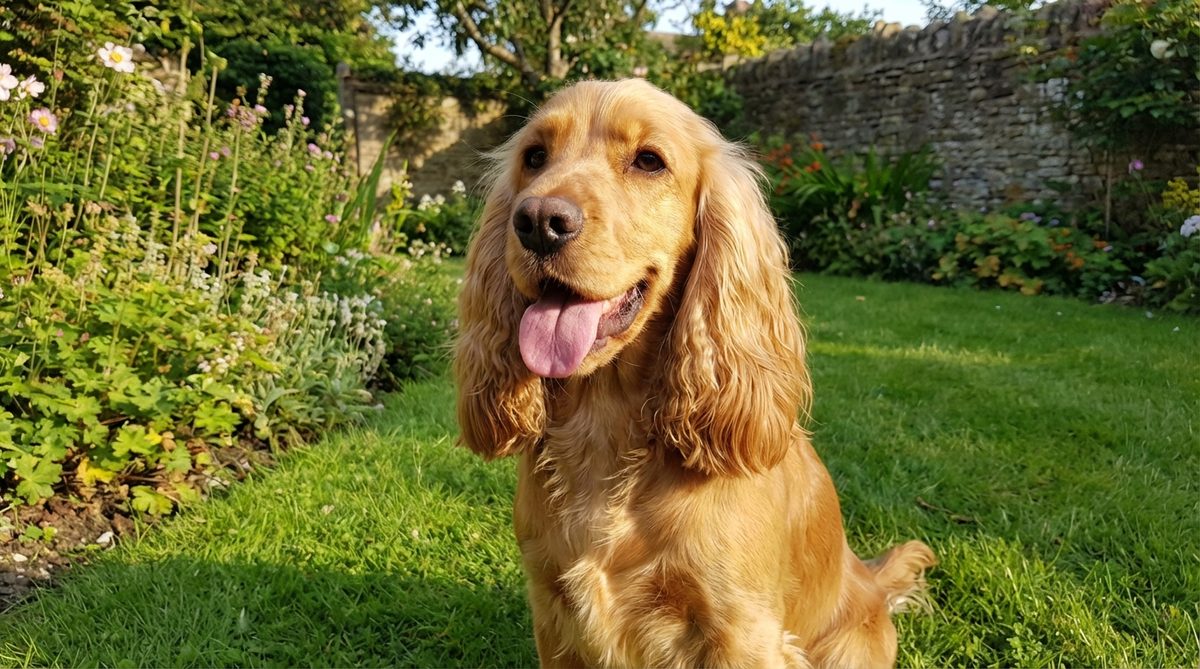
The English Cocker Spaniel is a joyful, energetic breed that fits beautifully into active family life. Known for their ever-wagging tails and cheerful disposition, Cockers are fantastic with children and love nothing more than being involved in whatever the family is doing. They do need a good amount of exercise and mental stimulation, so they are best suited to families who enjoy regular walks and outdoor activities. Their gorgeous feathered coat requires professional grooming every 6 to 8 weeks and regular brushing at home to prevent tangles.
Golden Retriever
Golden Retrievers are one of the gentlest, most patient breeds around, making them exceptional family dogs. They are intelligent, eager to please and brilliantly good with children of all ages. Goldens are also very sociable with other dogs and strangers, so they make poor guard dogs but wonderful family companions. Their long, flowing coat does require regular maintenance — professional grooming every 6 to 8 weeks and frequent brushing at home to manage shedding and prevent mats.
Cockapoo
The Cockapoo — a cross between a Cocker Spaniel and a Poodle — has become hugely popular with British families in recent years, and for good reason. Cockapoos tend to combine the friendly, outgoing nature of the Cocker with the intelligence and lower-shedding coat of the Poodle. They are lively, affectionate and great fun to be around. Their curly or wavy coat does require regular professional grooming, typically every 4 to 6 weeks, and daily brushing at home to keep it free of mats. Each Cockapoo is unique in terms of coat type, so your groomer can advise on the best care routine.
Staffordshire Bull Terrier
Often overlooked due to unfair stereotypes, the Staffordshire Bull Terrier is actually one of the most affectionate and loyal family breeds you can find. The Kennel Club even describes them as especially good with children. Staffies are brave, intelligent and devoted to their families. They have a short, smooth coat that requires minimal grooming — a weekly brush and an occasional bath is usually sufficient, with professional grooming every 10 to 12 weeks. They are a medium-sized breed that does well in both houses and flats, provided they get enough exercise.
Beagle
Beagles are cheerful, curious and wonderfully friendly dogs that make excellent companions for active families. They are pack animals by nature, which means they love company and tend to get along well with children and other pets. Beagles are sturdy, not too big and not too small, and they have a playful energy that children adore. Their short coat is easy to care for, though they do shed. A professional groom every 8 to 12 weeks, combined with regular brushing at home, will keep them looking smart. One thing to be aware of: Beagles follow their noses, so a secure garden is a must.
Shih Tzu
For families looking for a smaller, calmer companion, the Shih Tzu is a delightful choice. These little dogs were originally bred as lap dogs for Chinese royalty, and they still take their relaxation duties very seriously. Shih Tzus are friendly, outgoing and generally very good with children, though they are best suited to families with older, gentler children due to their small size. Their long, luxurious coat needs regular professional grooming every 4 to 6 weeks and daily brushing at home. Many owners opt for a shorter "puppy cut" to make maintenance easier.
Things to Consider Before Getting a Family Dog
Whatever breed you choose, there are a few important things to think about before bringing a dog into your family:
- Time commitment — Dogs need daily walks, training, grooming and companionship. Make sure your family has enough time to dedicate to a pet.
- Space — Consider the size of your home and garden. Larger, more active breeds need more space to move around.
- Cost — Beyond the initial purchase or adoption fee, dogs require ongoing investment in food, veterinary care, insurance, grooming and accessories.
- Allergies — If anyone in your family has allergies, look into breeds that are known to be lower shedding, such as Poodles, Bichons or their crosses.
- Children's ages — Very young children and very small dogs can sometimes be a tricky combination. Supervise interactions and teach children how to handle dogs gently and respectfully.
A Final Word
There is no single "best" breed for families — the right dog for you depends entirely on your household, your lifestyle and your expectations. What matters most is that you choose a dog whose needs you can meet, and that you commit to giving them the love, care and attention they deserve. Whatever breed you choose, we are here to help keep them looking and feeling their best.
If you have just welcomed a new dog into your family and would like to arrange a grooming appointment or a free consultation, get in touch with us. We would love to meet your new addition.
← Back to Blog