Every dog's coat is different, and understanding what type of coat your dog has is the first step to keeping it healthy, comfortable and looking its best. Different coat types have very different grooming requirements — what works for a smooth-coated Labrador would be entirely wrong for a curly-coated Poodle, and vice versa. In this guide, we will walk you through the main coat types you will encounter in the dog world and explain exactly what each one needs in terms of care.
Smooth Coats
Smooth-coated dogs have short, sleek fur that lies flat against the body. This is one of the lowest-maintenance coat types, but it does still require regular attention.
Breeds: Staffordshire Bull Terrier, Whippet, Greyhound, Boxer, Dalmatian, French Bulldog, Dachshund (smooth-haired).
Grooming needs: Smooth coats are easy to care for but can shed quite heavily, particularly during seasonal changes. Weekly brushing with a rubber grooming mitt or bristle brush helps remove loose hair and distributes natural oils across the coat, keeping it healthy and shiny. Professional grooming every 8 to 12 weeks for a bath and tidy-up is usually sufficient. Pay attention to skin folds on breeds like Bulldogs and Pugs, as these can harbour bacteria and need regular cleaning.
Common mistake: Assuming smooth-coated dogs do not need grooming at all. They may not need haircuts, but they still benefit enormously from regular brushing, bathing and nail care.
Double Coats
Double-coated dogs have two distinct layers of fur: a dense, soft undercoat that provides insulation, and a longer, coarser outer coat (called the guard coat) that repels water and protects against dirt and debris.
Breeds: Golden Retriever, Labrador Retriever, Border Collie, German Shepherd, Husky, Samoyed, Corgi, Shetland Sheepdog.
Grooming needs: Double coats require regular, thorough brushing to prevent the undercoat from becoming packed and matted. During the twice-yearly "coat blow" — typically in spring and autumn — the undercoat sheds dramatically and needs extra attention. An undercoat rake or de-shedding tool is essential, and professional de-shed treatments can remove an astonishing amount of loose fur. Professional grooming every 6 to 8 weeks is recommended, with brushing at home at least two to three times per week.
Common mistake: Shaving a double coat. This is a widespread misconception — many owners think shaving their dog in summer will keep them cool, but the double coat actually helps regulate temperature in both hot and cold weather. Shaving it can damage the coat permanently and leave the dog more vulnerable to sunburn and overheating. Always consult a professional groomer before making this decision.
Wire and Rough Coats
Wire-coated dogs have a coarse, bristly outer coat with a softer undercoat. This texture gives them a distinctive, slightly scruffy appearance that many owners find very appealing.
Breeds: West Highland Terrier, Border Terrier, Schnauzer, Wire Fox Terrier, Irish Wolfhound, Airedale Terrier, Dachshund (wire-haired).
Grooming needs: Wire coats can be maintained in two ways: clipping or hand stripping. Hand stripping involves carefully pulling out the dead outer coat by hand (or with a stripping knife), which encourages new, healthy coat growth with the correct colour and texture. Clipping is quicker and easier but can soften the coat texture over time. Many pet owners prefer clipping for convenience, while show dogs are typically hand stripped. Professional grooming every 6 to 8 weeks is ideal, with regular brushing at home to prevent tangles in the undercoat.
Common mistake: Neglecting the undercoat. While the wiry outer coat looks after itself reasonably well, the softer undercoat beneath can mat if not brushed regularly, causing discomfort.
Curly and Wool Coats
Curly-coated dogs have tight curls or waves that grow continuously, much like human hair. These coats are often described as "hypoallergenic" because they shed very little, though no dog is truly allergy-free.
Breeds: Poodle (all sizes), Bichon Frise, Bedlington Terrier, Lagotto Romagnolo, and many popular crosses including Cockapoo, Labradoodle, Cavapoo and Goldendoodle.
Grooming needs: Curly coats are arguably the most maintenance-intensive coat type. Because the hair grows continuously and does not shed naturally, it mats very easily — sometimes within just a few days of brushing. Daily brushing at home is strongly recommended, and professional grooming every 4 to 6 weeks is essential. A slicker brush is the most effective tool for working through curly coats, and you should brush all the way down to the skin rather than just skimming the surface. Professional groomers can shape curly coats into a variety of styles, from the classic Poodle clip to a simple, practical all-over trim.
Common mistake: Only brushing the top layer. Surface brushing may make the coat look tidy, but mats form at skin level. Always brush thoroughly from root to tip, section by section.
Long, Silky Coats
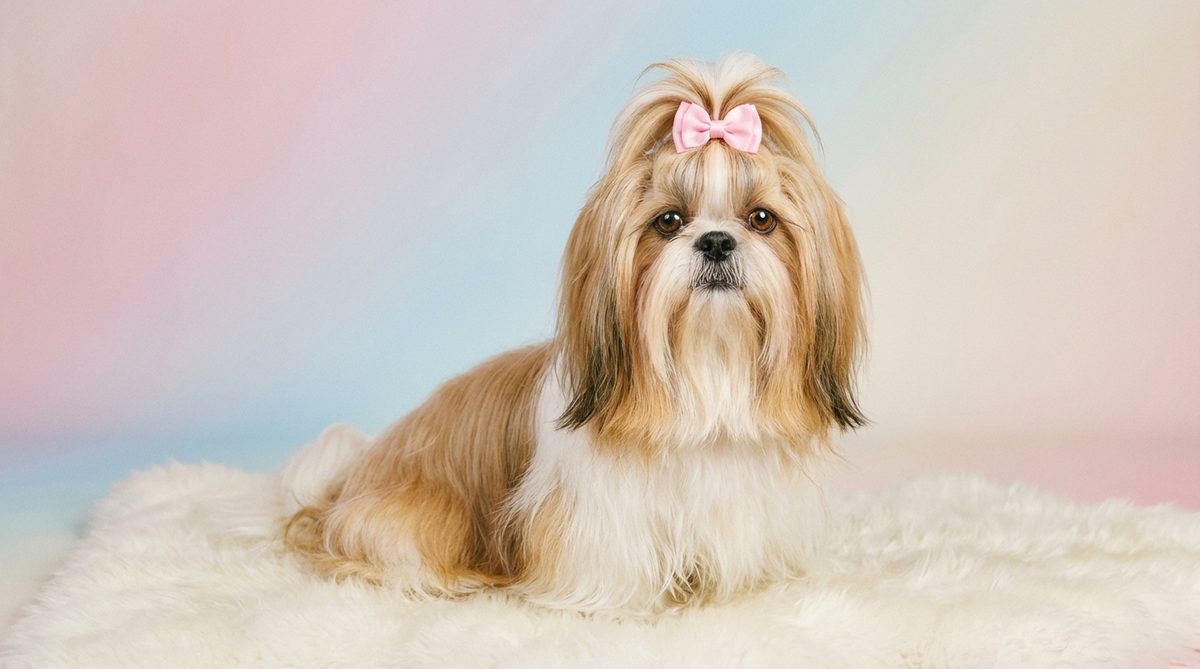
Long-coated dogs have fine, flowing hair that can grow to considerable lengths. These coats are beautiful but demand significant upkeep.
Breeds: Yorkshire Terrier, Shih Tzu, Lhasa Apso, Maltese, Afghan Hound, Cavalier King Charles Spaniel (partially).
Grooming needs: Daily brushing is a must for long-coated breeds, using a pin brush or comb to work through the coat gently and prevent tangles. Professional grooming every 4 to 6 weeks keeps the coat trimmed and manageable. Many owners of long-coated breeds opt for a practical shorter style — commonly called a "puppy cut" or "pet trim" — which is much easier to maintain between salon visits while still looking smart and attractive. Regular attention to the face, ears and underbelly is particularly important, as these areas are prone to matting.
Common mistake: Letting the coat grow too long between grooms. What starts as a couple of small tangles can quickly develop into solid mats that are painful for the dog and difficult to remove without clipping.
Combination and Cross Breed Coats
With the popularity of designer crosses, many dogs today have coats that do not fit neatly into any single category. A Cockapoo, for instance, might have anything from a loose wave to a tight Poodle curl, depending on which parent's genes are dominant. Similarly, a Labradoodle might have a flat, shedding coat or a curly, non-shedding one.
The best approach with cross breeds is to assess each dog individually. A professional groomer can identify your dog's coat type and recommend an appropriate grooming schedule and style. If you are unsure, bring your dog in for a consultation and we will be happy to advise.
The Bottom Line
Whatever coat type your dog has, regular grooming is not a luxury — it is an essential part of their care. A well-maintained coat keeps your dog comfortable, reduces the risk of skin problems and helps you spot any health issues early. The time and effort you invest in grooming is repaid many times over in your dog's health and happiness.
If you would like advice on the best grooming approach for your dog's coat type, or if you are ready to book an appointment, please get in touch. We are always happy to help.
← Back to Blog